

Flip Case
A Legal Design Challenge
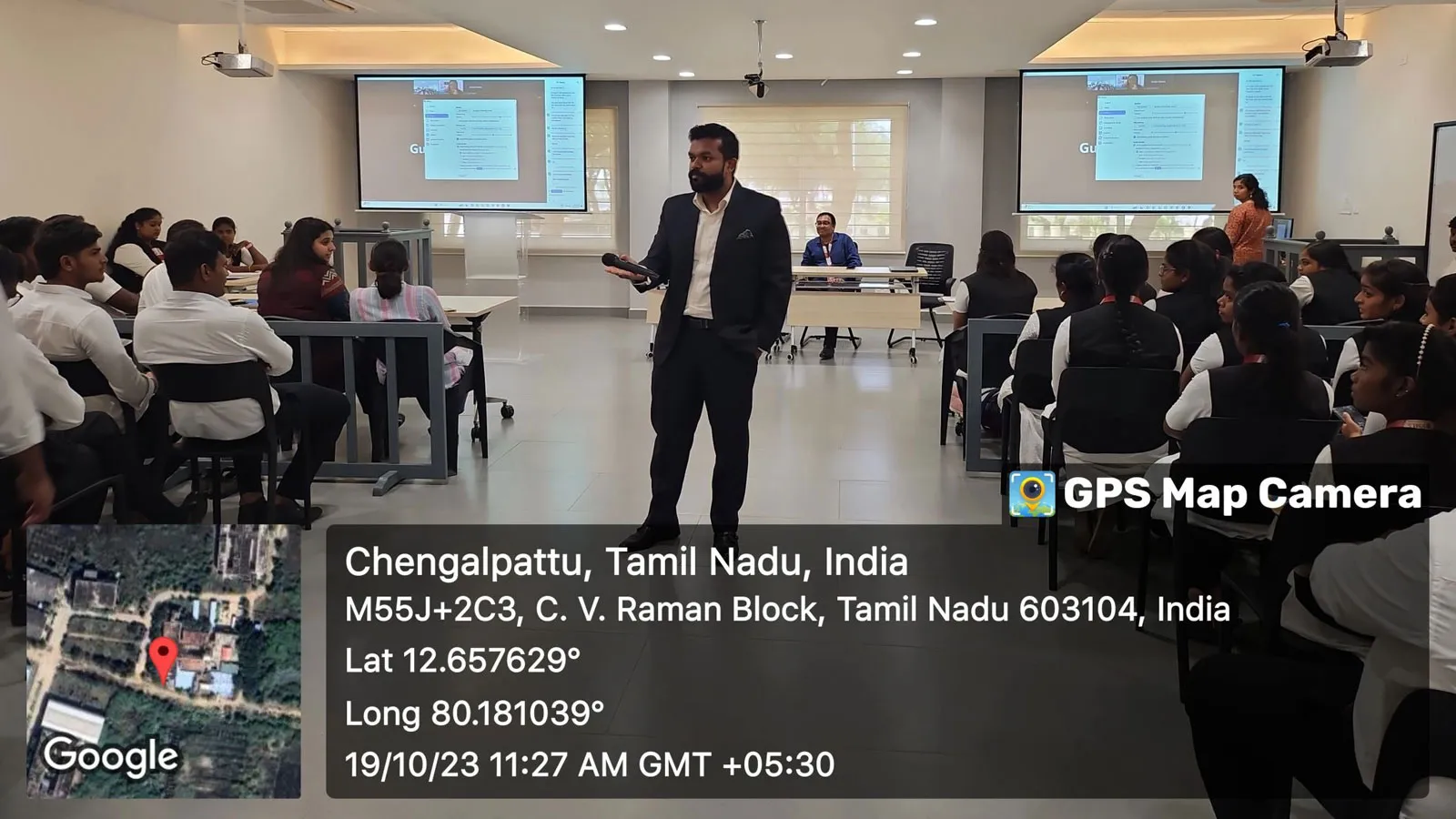
The Centre for Justice Through Technology (CJT) at Vinayaka Mission's Law School successfully hosted the Flip Case: A Legal Design Challenge on October 19, 2024. This innovative event combined law and design thinking, challenging participants to rethink and reimagine legal cases from a creative, problem-solving perspective.
Objective
The primary aim of the Flip Case challenge was to encourage law students to step outside conventional thinking and explore legal issues through design methodologies. The event promoted interdisciplinary collaboration and emphasized the importance of user-centered approaches in addressing legal challenges.
Event Format
Participants were tasked with transforming legal scenarios by employing design thinking principles. They were given complex cases to analyze and then asked to 'flip' the case by redesigning the legal process or solution to make it more accessible, efficient, and user-friendly.
- Case PresentationTeams were provided with specific legal cases and a set of problems to tackle within a limited timeframe.
- Design Thinking ApplicationParticipants used creative tools to develop solutions aimed at improving the legal process or outcomes.
- Final PresentationsEach team presented their redesigned case solutions, showcasing innovative ways to address legal problems through design.
Highlights
- The event drew enthusiastic participation from law students who demonstrated creative thinking and problem-solving skills.
- The Centre for Justice Through Technology (CJT) ensured that the event was interactive, engaging, and beneficial for participants interested in both legal and technological domains.
- Several standout teams presented bold, forward-thinking ideas, offering practical insights into how legal design could improve access to justice and legal processes.
Conclusion
The Flip Case event was a resounding success, pushing the boundaries of conventional legal education by incorporating design thinking into law. The event not only enhanced the participants' understanding of legal problems but also opened new avenues for exploring how technology and design can improve the legal landscape.
The Centre for Justice Through Technology (CJT) plans to continue hosting such unique events, further integrating technology and innovation into the legal field for the benefit of both students and the broader legal community.